MADAGASCAR – Northern Extension


8 NIGHTS

MADAGASCAR

ALL YEAR
ITINERARY
Accommodation: Nature lodge
Meals: All meals
Included activities: Scenic drive to Nature lodge; Visit of Montagne d'Ambre
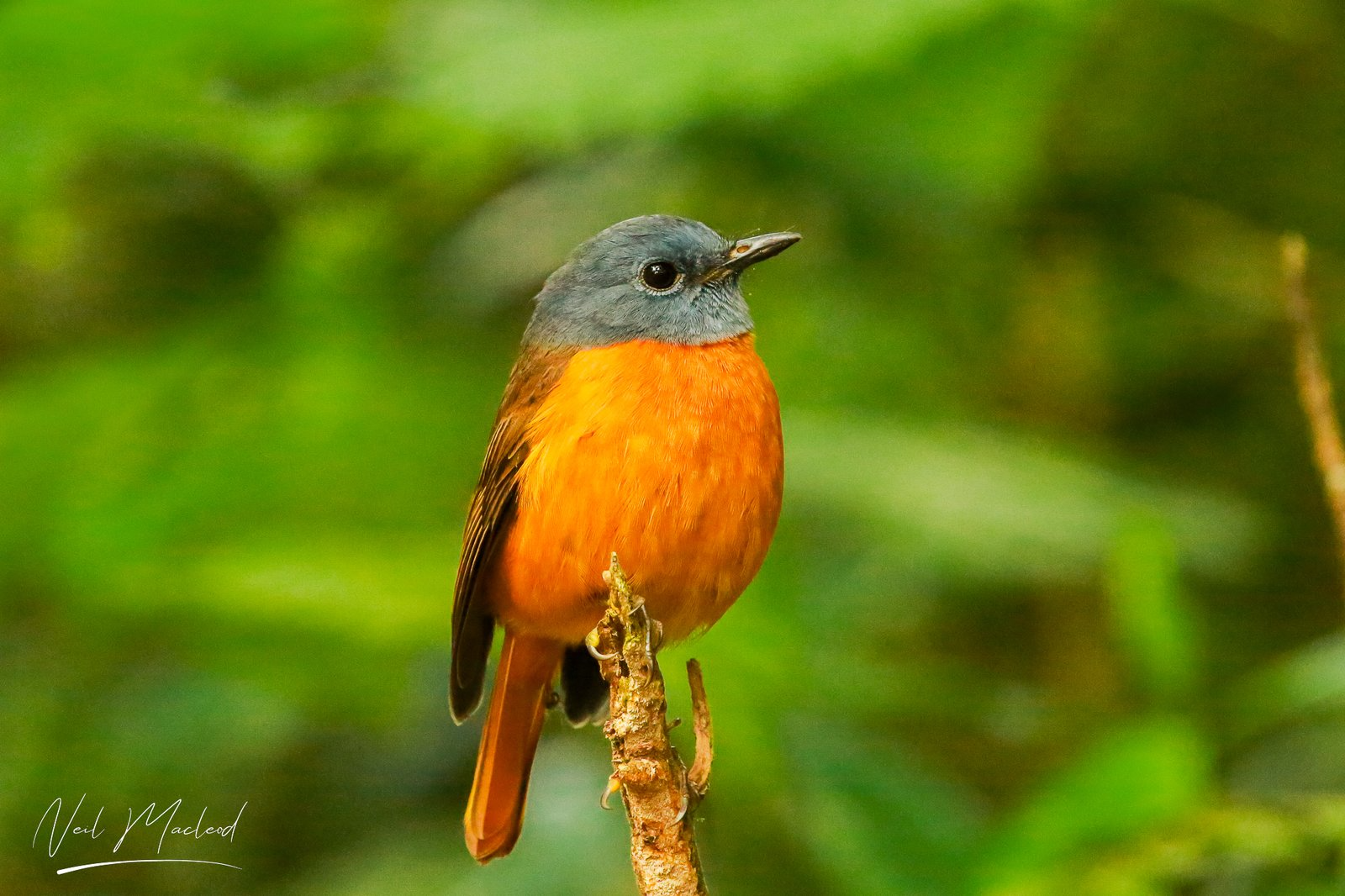
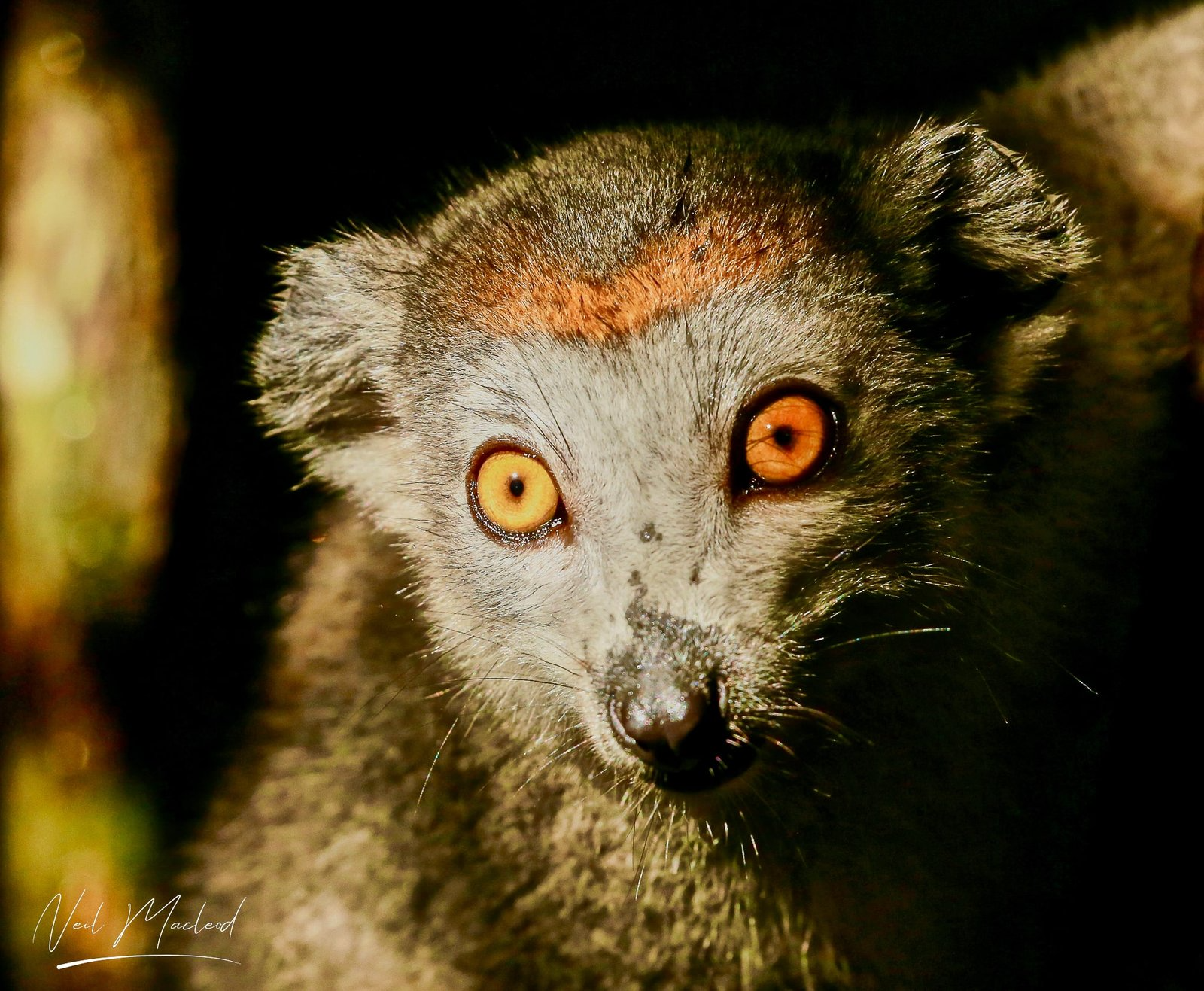
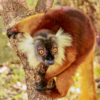
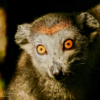
Upon arrival at Diego Suarez airport, we will be met by our local guide and transferred to Joffre Ville for our two-night stay at Nature lodge. Experience the evocative sounds…scent…and taste of Madagascar….at their very best!” The main area and the large wooden deck open on a magnificent garden, home of many chameleons and open on a breathtaking view of both the Mozambique Channel and the Indian Ocean. The spacious and charming thatched chalets offer an endless panoramic view on either the lush green rain forest home of many lemurs or on one of the most beautiful bays in the world: Diego Suarez’s Bay. We visit the first National Park of Madagascar "Montagne d’Ambre". Montagne d'Ambre (located on Madagascar’s northern most tip) is an isolated patch of montane forest that rises from the surrounding dry region. The park is famous for its waterfalls, crater lakes and wildlife. We explore this lush patch of Montane Rainforest in search of Sanford’s Brown Lemur, Mountain Fork-marked Lemur and Crowned Lemur. The birdlife here is especially abundant.
Birds likely to be seen: Amber Mountain rock thrush, Cuckoo roller, Dark newtonia, Hook-billed vanga, Madagascar crested ibis, Madagascar paradise flycatcher, Pitta-like ground roller, Hoopoe, Madagascar magpie robin, White-throated oxylabes, White-throated rail, Madagascar fish eagle, Madagascar kingfisher, Madagascar little grebe and Madagascar pond heron.
Accommodation: Nature lodge
Meals: All meals
Included activities: Amber Mountain National Park excursion & nocturnal visit of Le Fontenay private park.
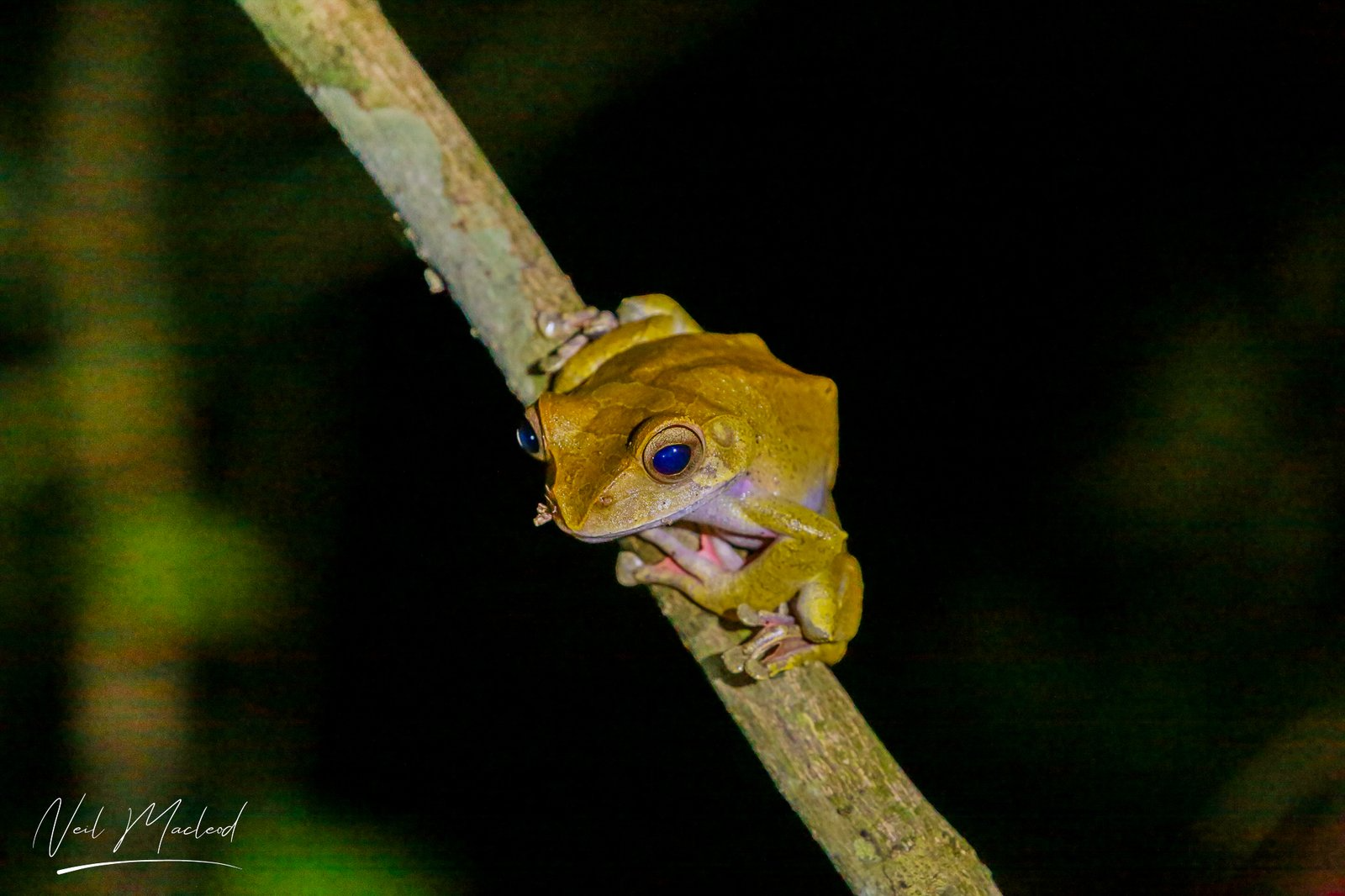
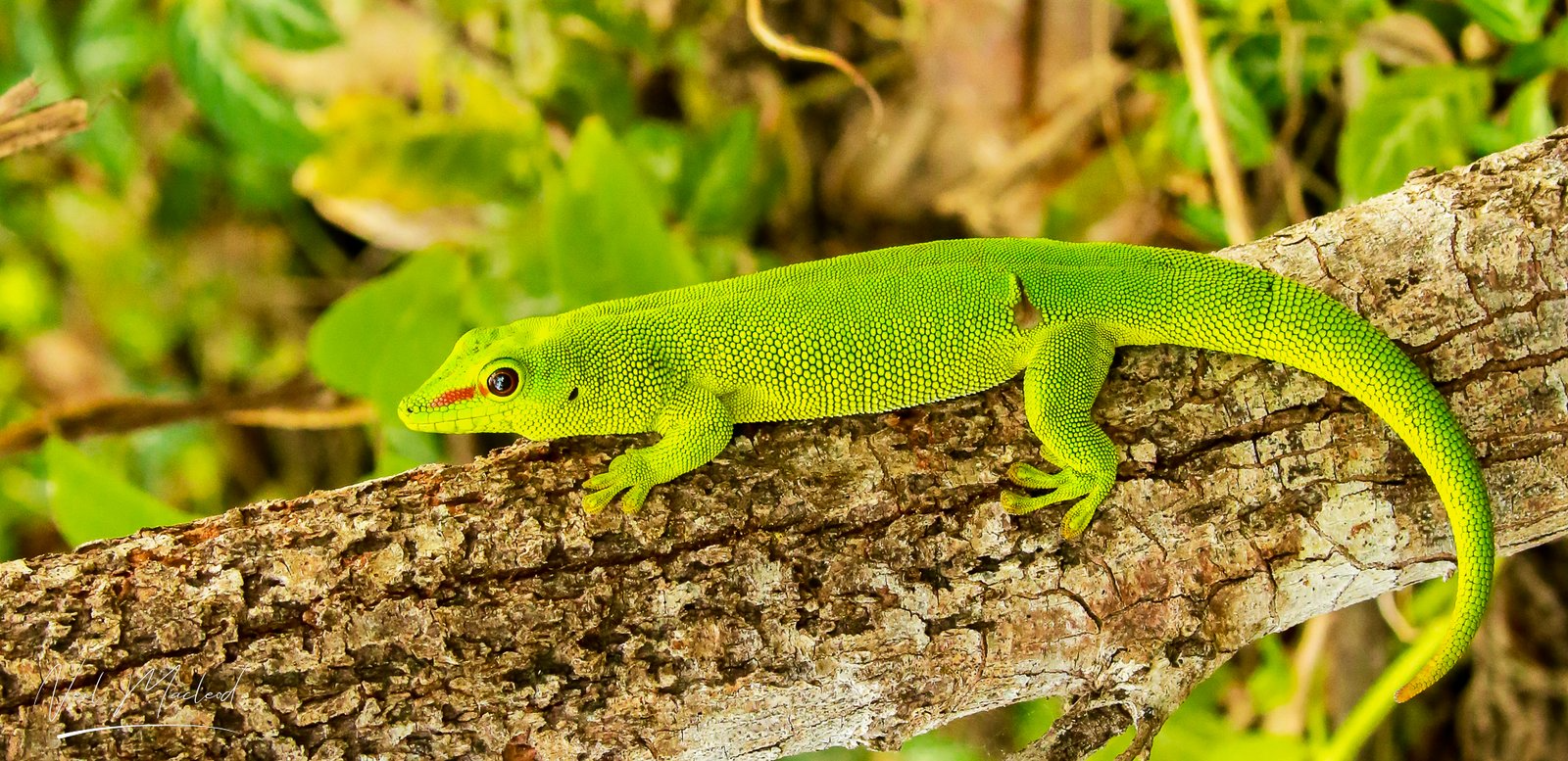
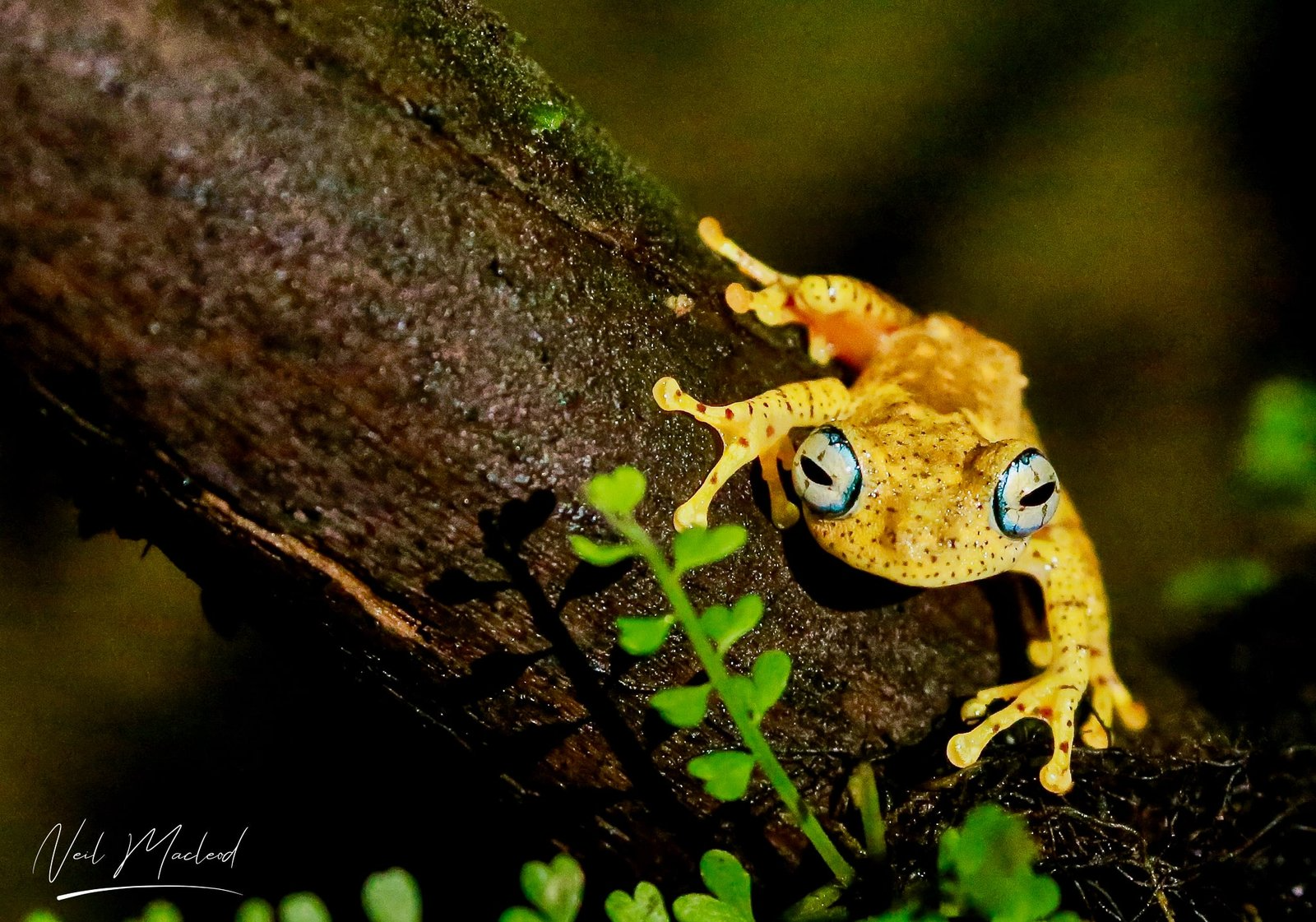
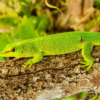
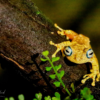
After breakfast, we go on another discovery excursion to the Montagne d’Ambre Rainforest where we will see two waterfalls, chameleons and geckos. We also see three types of forest: Mid-altitude rainforest, Dry deciduous forest and Mountain rainforest. The range of habitat results in one of the most diverse animal populations in Madagascar. Over 1,000 species of plants have been recorded, along with over 25 species of mammals, including eight species of lemur, the Malagasy civet and the Ring-tailed mongoose. Its home to 30 species of frogs and a number of birds, such as the Amber Mountain rock thrush. Visitors also can expect to see Stump-tailed chameleons and Leaf-tailed geckos. At nightfall, we will do a nocturnal visit of Le Fontenay private park.
Birds likely to be seen: Amber mountain rock thrush, Cuckoo roller, Dark newtonia, Hook-billed vanga, Madagascar crested ibis, Madagascar paradise flycatcher, Pitta-like ground roller, Hoopoe, Madagascar magpie robin, White-throated oxylabes, White-throated rail, Madagascar fish eagle, Madagascar kingfisher, Madagascar little grebe, Madagascar pond heron.
Accommodation: Ankarana Lodge
Meals: All meals
Included activities: Scenic drive to Ankarana Lodge & full day excursion to Ankarana National Park
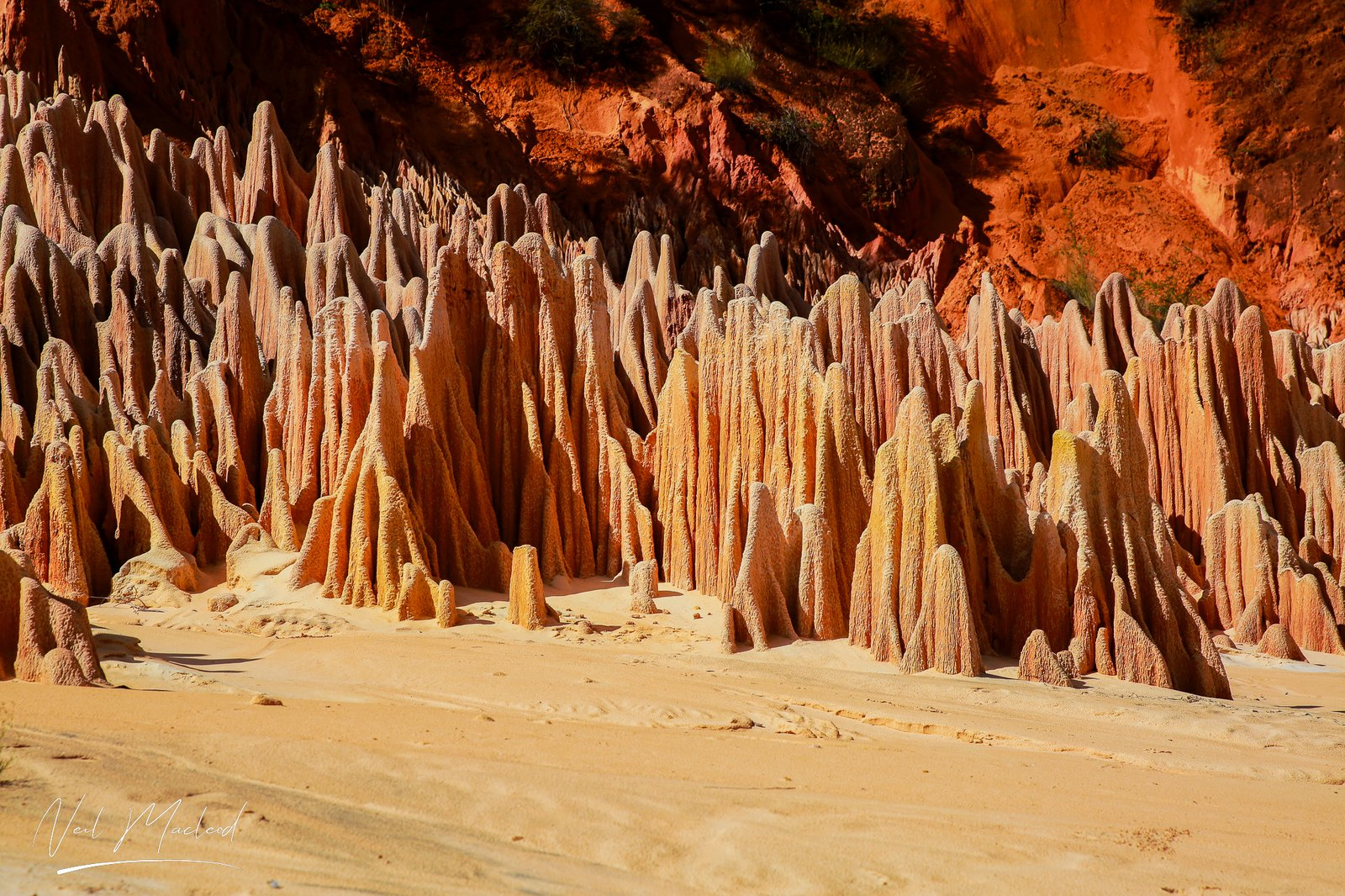
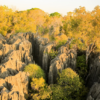
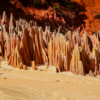
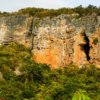
After breakfast, we depart to the famous Tsingy Rouge. Tsingy Rouge de Diego Suarez in northern Madagascar is a group of beautiful Red Tsingy. The mixture of different oxides and the work of time gave birth to a set of several hundred small fairy chimneys. These turned out to be sand formations overlaid by red clay long ago. Erosion has worn the clay away, exposing the tall white (with tinges of red) columns of sand formations underneath. The site is 50 km south of Diego Suarez.
Birds likely to be seen: Black crowned heron, Squacco heron, Malagasy pond heron, Cattle heron, Humblot’s heron, Hamerkop, Glossy ibis, Madagascar crested ibis, Red billed teal, Madagascar cuckoo falcon, Black kite, Madagascar harrier hawk, Madagascar sparrowhawk, Frances’s sparrowhawk, Madagascar buzzard, Banded kestrel, Madagascar harrier hawk, Madagascar partridge, Helmeted guineafowl, Madagascar buttonquail, White fronted plover, Madagascar green pigeon, Madagascar turtledove, Gray headed lovebird, Lesser vasa parrot, Alpine swift, Malagasy kingfisher, Madagascar bee eater, Broad billed roller, Hoopoe, Madagascar magpie robin, Stonechat, Madagascar swamp warbler, Common jery, White headed vanga, Madagascar red fody.
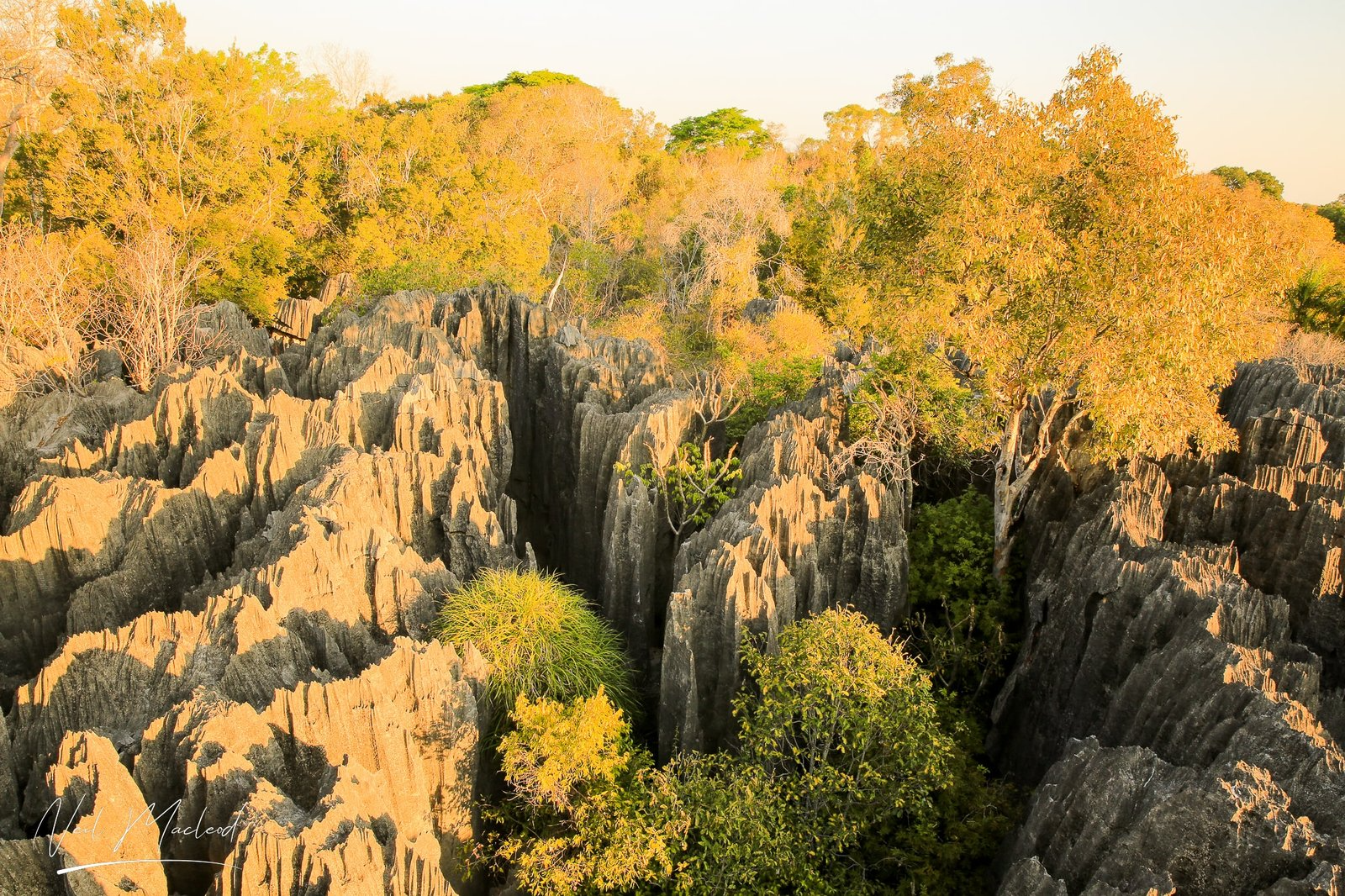
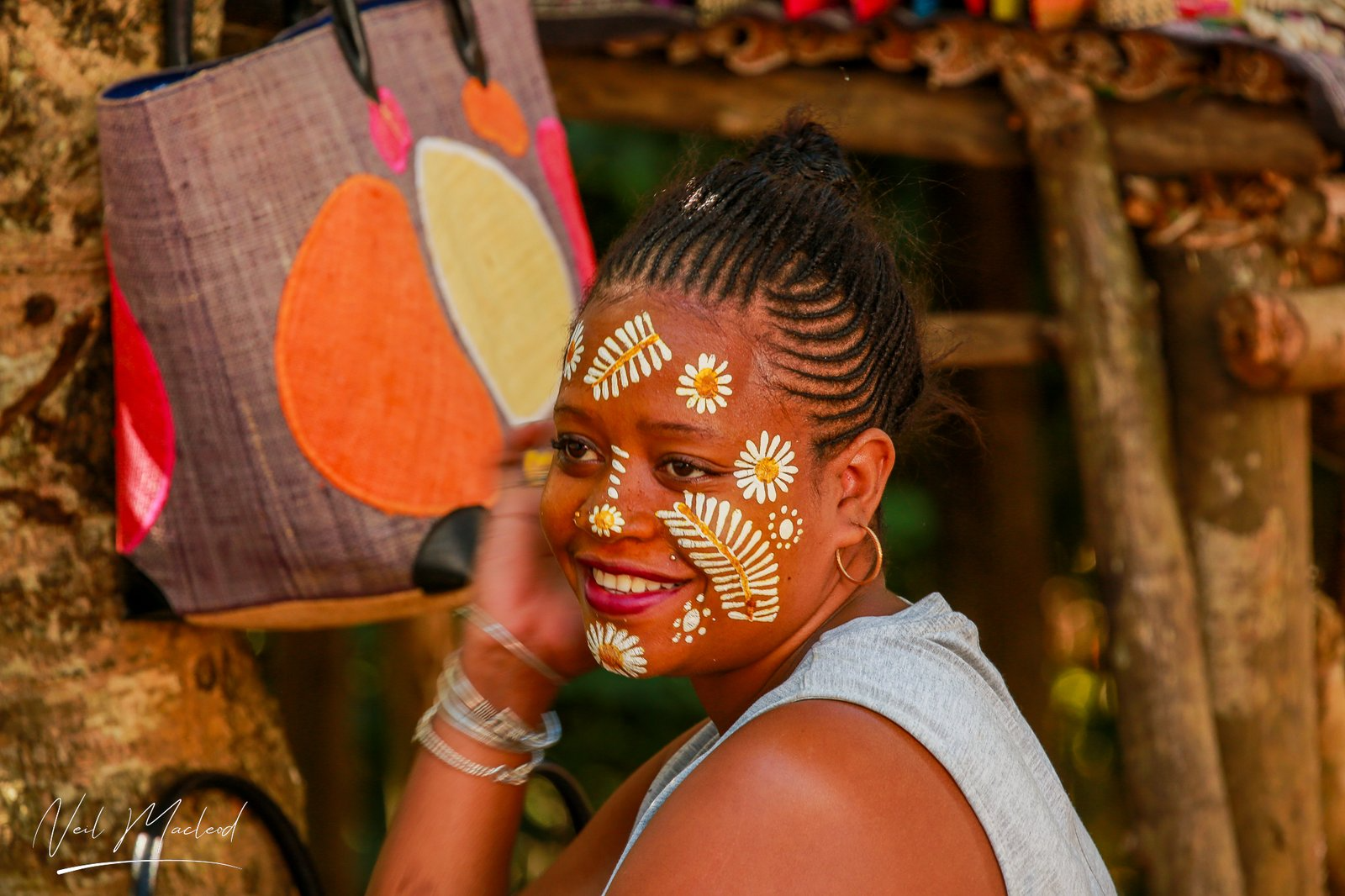
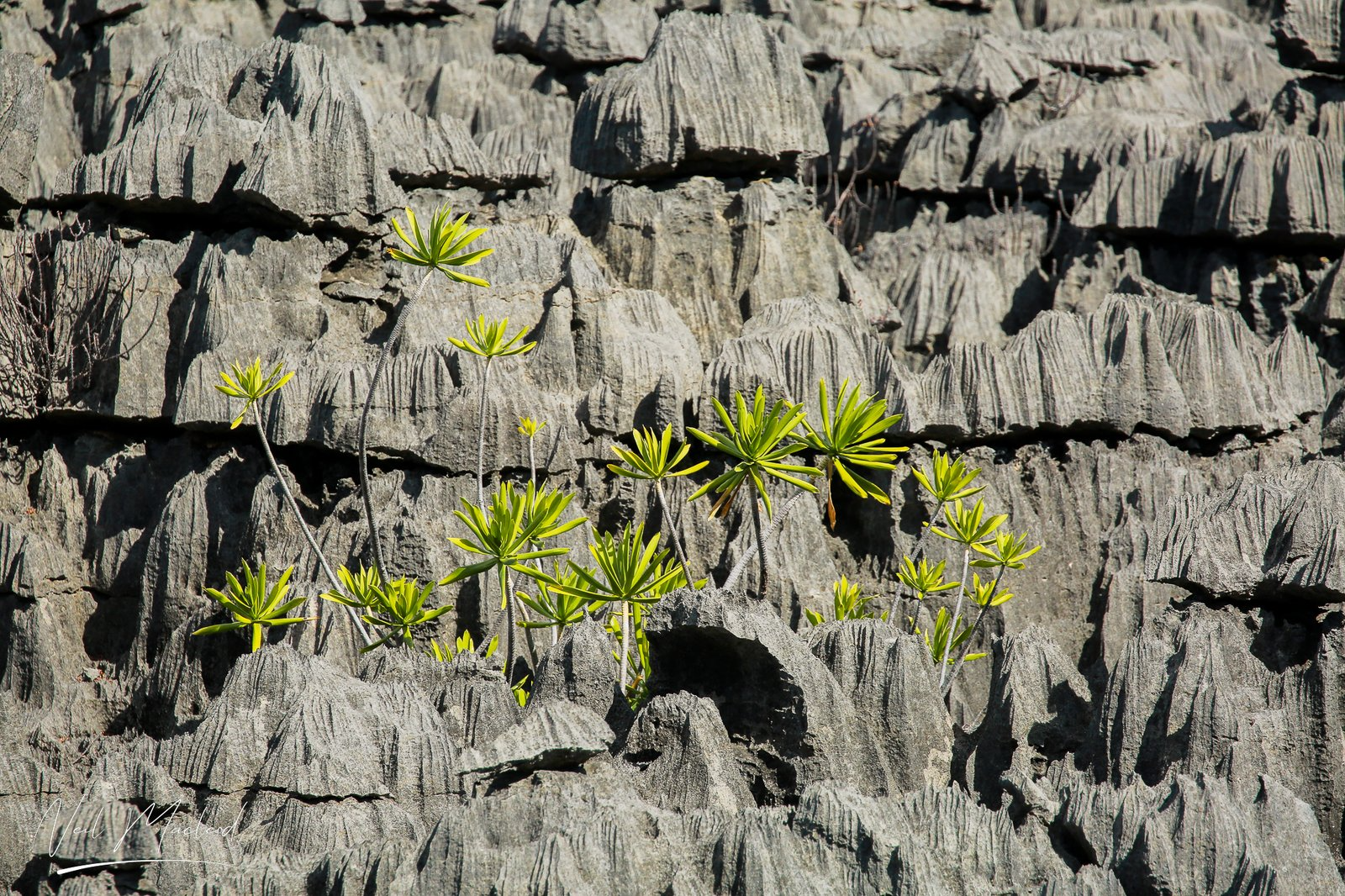
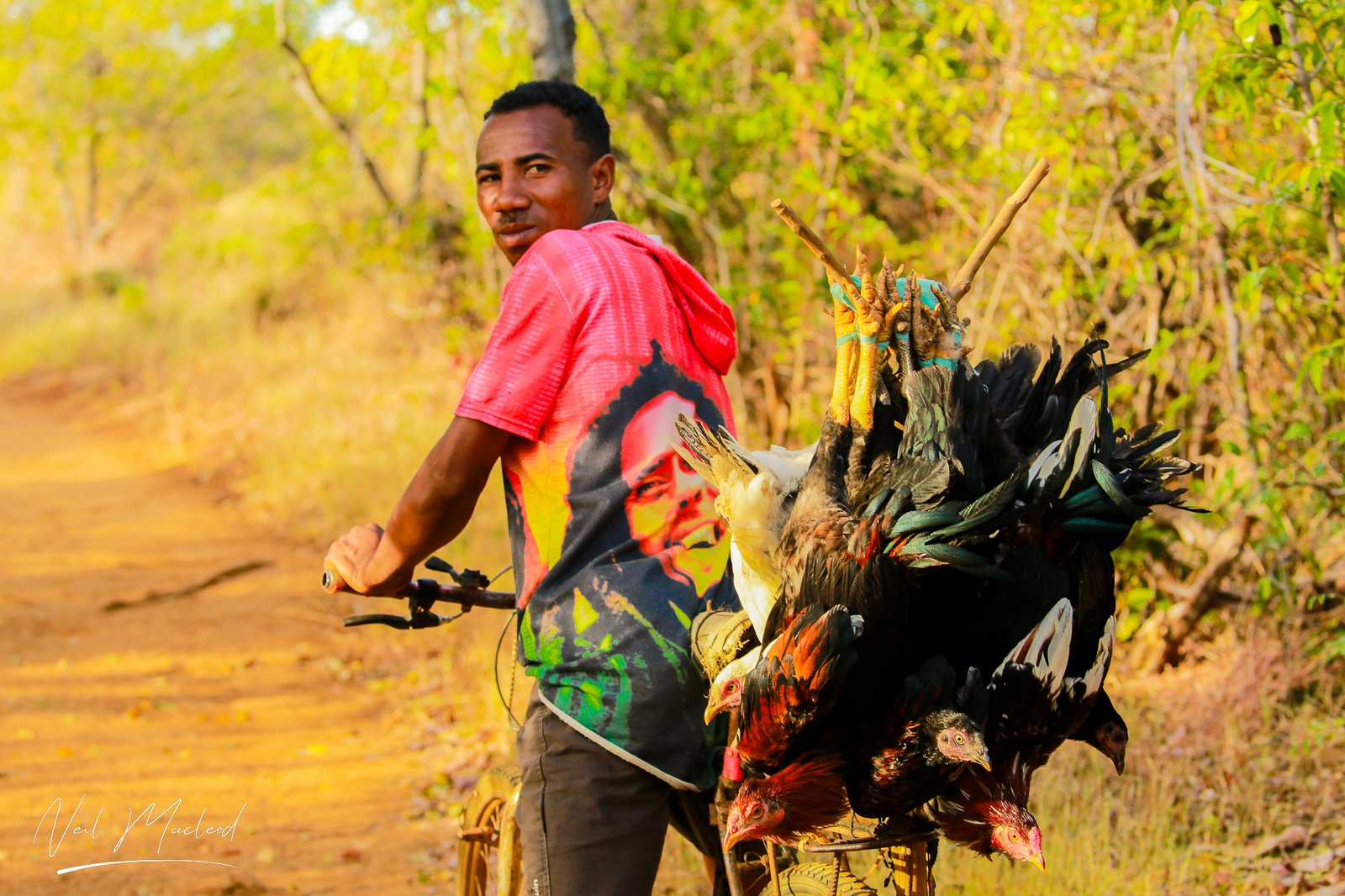
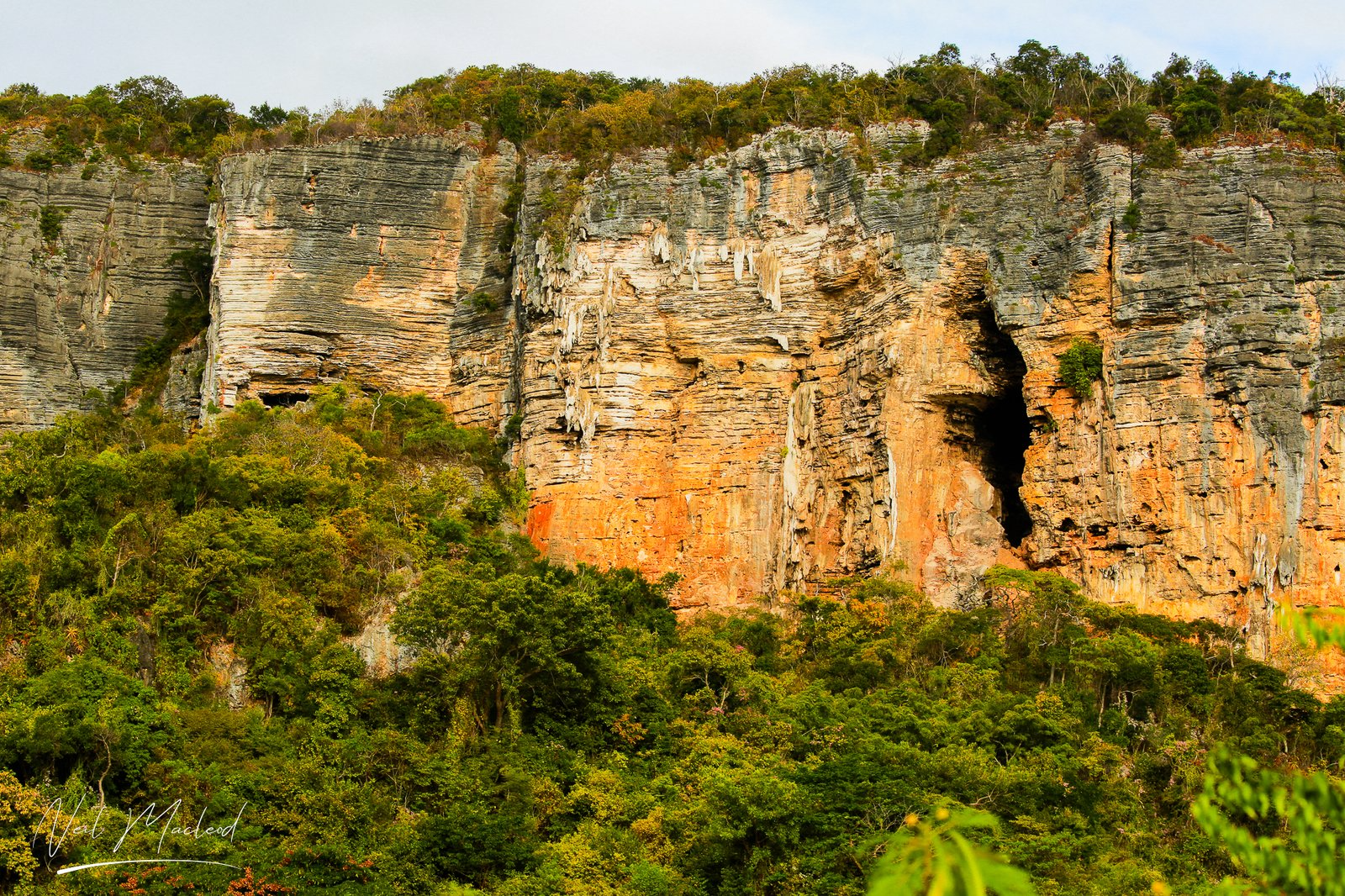
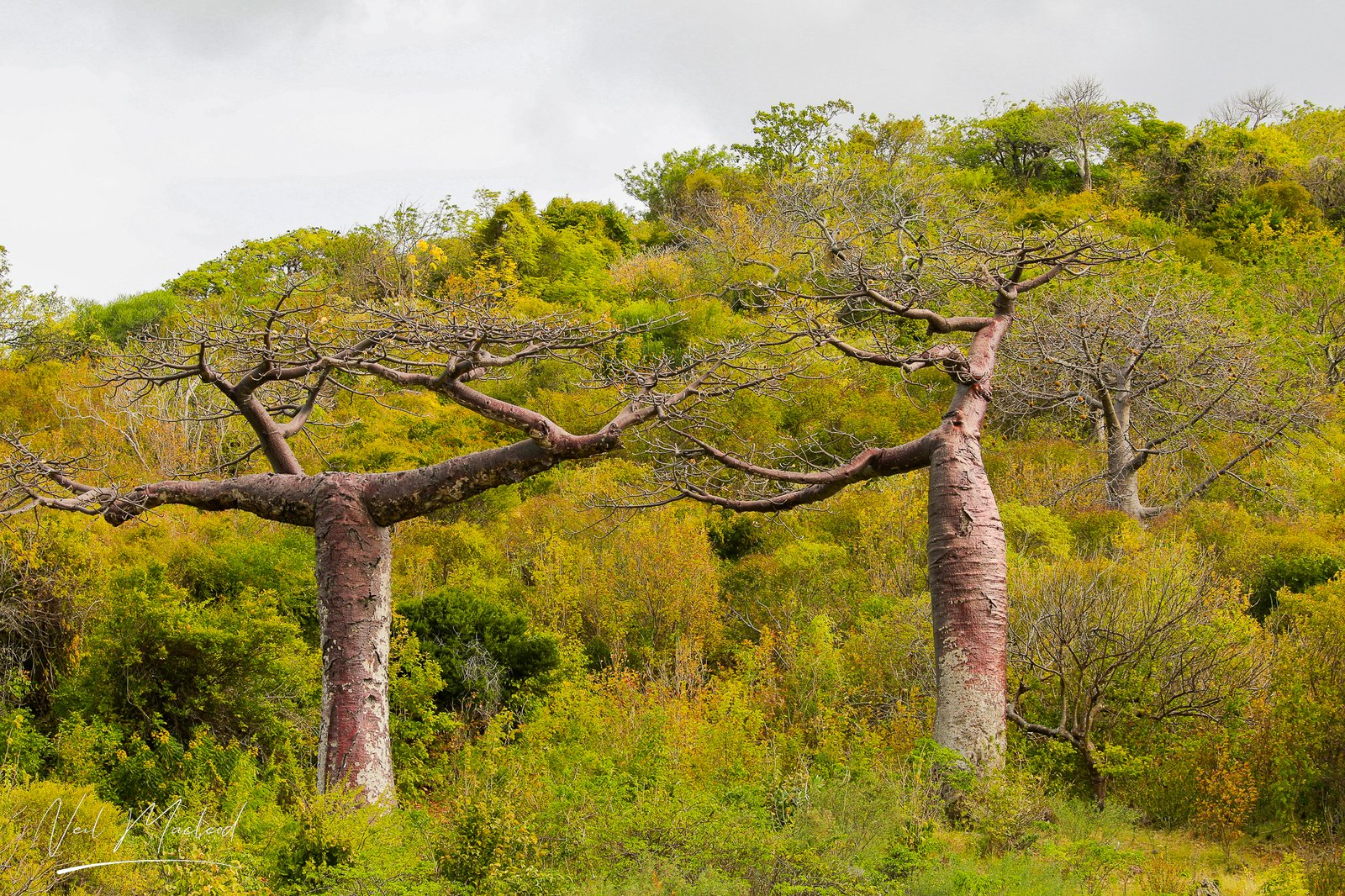
Ankarana National Park was created in 1956 and lies about 90 km south of Antsiranana covering an area of 182,5 km². It is a spectacularly eroded limestone fortress of sharp ridges, patches of dense tropical jungle, deciduous forest, deep caves and canyons (actually the biggest underground network of Africa) and rushing rivers. With an annual rainfall of almost 2000 mm, the underlying rocks undergo a heavy erosion producing an amazing karst topography, being its most known result the fantastically eroded limestone spires, known as “tsingy”. The Park is in fact one of the most visited specially among hikers: it offers incredible trails, unique and terrific landscapes and a lot of animals! This reserve contains one of the highest density of primates of any forest in the world. Its dense forests support one of the largest and least disturbed populations of crowned lemurs. Sanford's brown lemur, Perrier's black lemur, northern sportive lemur and dwarf lemurs, Ringtailed mongoose, fossa, tenrecs and Madagascar striped civet are also a common sight. Almost 100 bird species, 50 reptiles (including some endemic and threatened snakes and geckos) and 10 frogs cohabit in the Park. Inside the spectacular and huge labyrinth of caves 14 bat species, local endemic blind shrimps and the world's only known cave-living crocodiles are waiting for your visit. At night swarms of bats and flying foxes swoop in the darkness. More than 350 plant species grow in Ankarana. The luxuriant forests around the gorge are always green and are the richest ones in number of species. Some significant species are the "vazaha tree", pandanus, ficuses and the endemic baobab Adansonia madagascarensis. The Antakarana is the main ethnic group who lives in this region. They subsist on growing vegetables, chicken, cattle and apiculture.
Accommodation: Ankarana Lodge
Meals: All meals
Included activities: Full day visit of Tsingy of Ankarana
After breakfast, we set out for a full day hike to Ankarana National Park. This park was created in 1956 and lies about 90 km south of Antsiranana covering an area of 182,5 km². It is a spectacularly eroded limestone fortress of sharp ridges, patches of dense tropical jungle, deciduous forest, deep caves and canyons (actually the biggest underground network of Africa) and rushing rivers. With an annual rainfall of almost 2000 mm, the underlying rocks undergo a heavy erosion producing an amazing karst topography, being its most known result the fantastically eroded limestone spires, known as “tsingy”. The Park is in fact one of the most visited specially among hikers: it offers incredible trails, unique and terrific landscapes and a lot of animals. This park contains one of the highest density of primates of any forest in the world. Its dense forests support one of the largest and least disturbed populations of crowned lemurs. Sanford's brown lemur, perrier's black lemur, northern sportive lemur and dwarf lemurs, ringtailed mongoose, tenrecs and Madagascar striped civet are also a common sight. Almost 100 bird species, 50 reptiles (including some endemic and threatened snakes and geckos) and 10 frogs cohabit in the Park. Inside the spectacular and huge labyrinth of caves 14 bat species, local endemic blind shrimps and the world's only known cave-living crocodiles are waiting for your visit. More than 350 plant species grow in Ankarana. The luxuriant forests around the gorge are always green and are the richest ones in number of species. Some significant species are the "vazaha tree", pandanus, ficuses and the endemic baobab Adansonia madagascarensis.
Birds likely to be seen: Namaqua dove, Madagascar crested ibis, Squacco heron, Cattle heron, Hamercop, Dymorphic egret, Purple heron, Gray heron, Humblot’s heron, Madagascar harrier hawk, Frances’s sparrowhawk, Madagascar partridge, Helmeted guineafowl, Allen’s gallinule, Crested coua, Madagascar coucal, Madagascar nightjar, Malagasy spine tailed swift, Broad biled roller, Hoopoe, Valvet asity, Madagascar magpie robin, Stonechat, Madagascar bulbul, Crested drongo, Madagascar red fody, Madagascar mannikin.
Accommodation: Ravintsara Wellness hotel
Meals: All meals
Included activities: Scenic boat transfer
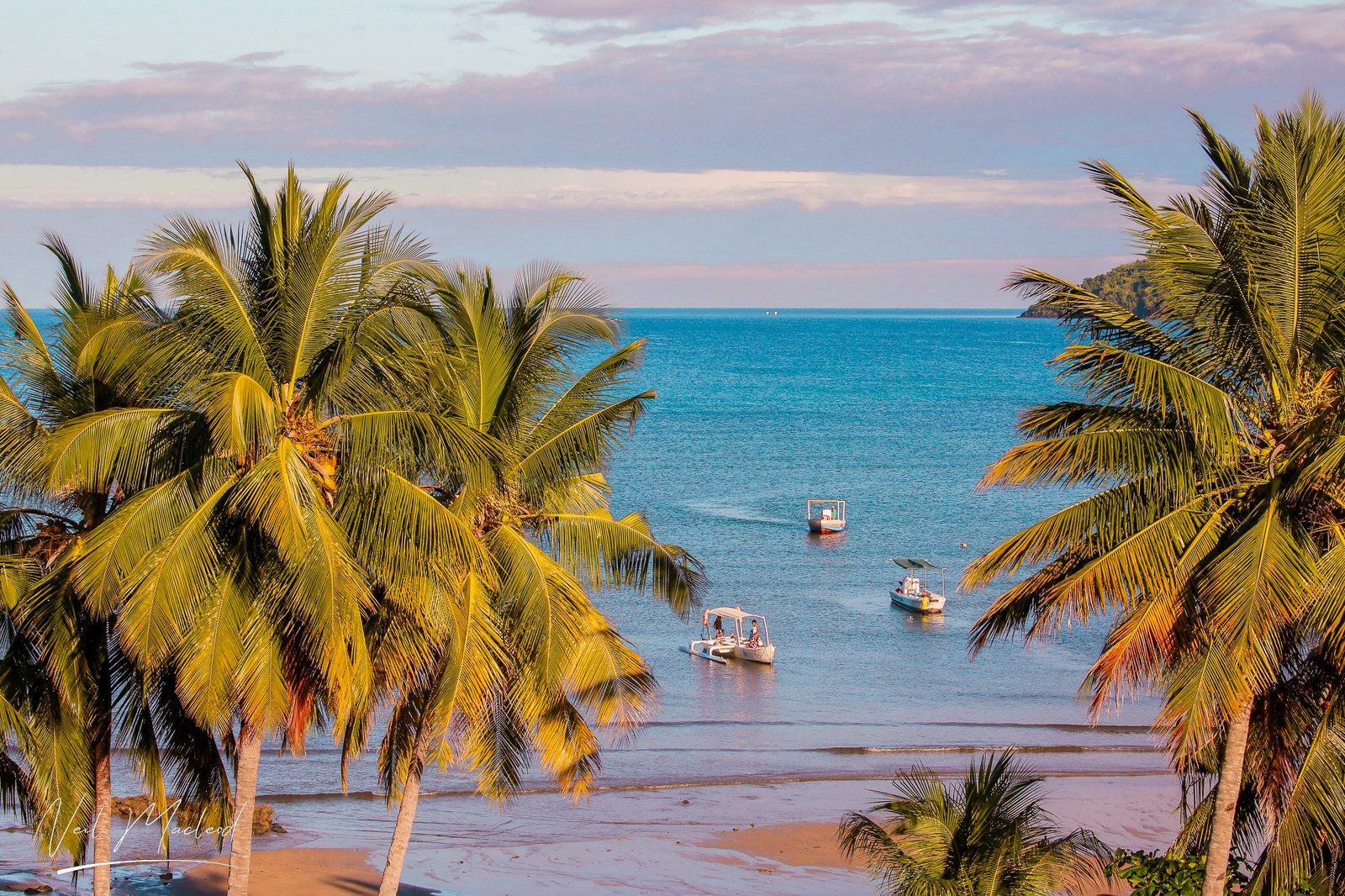
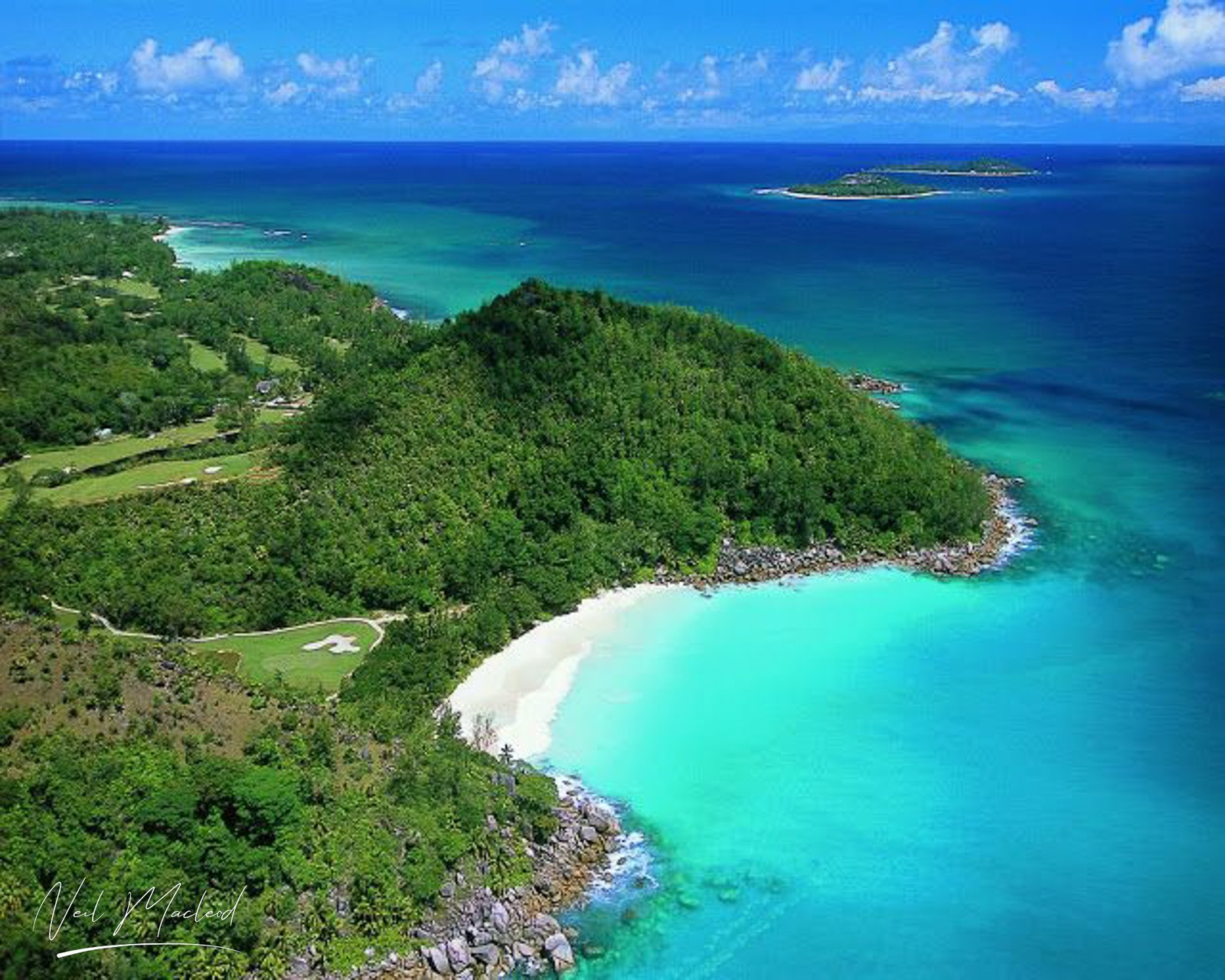
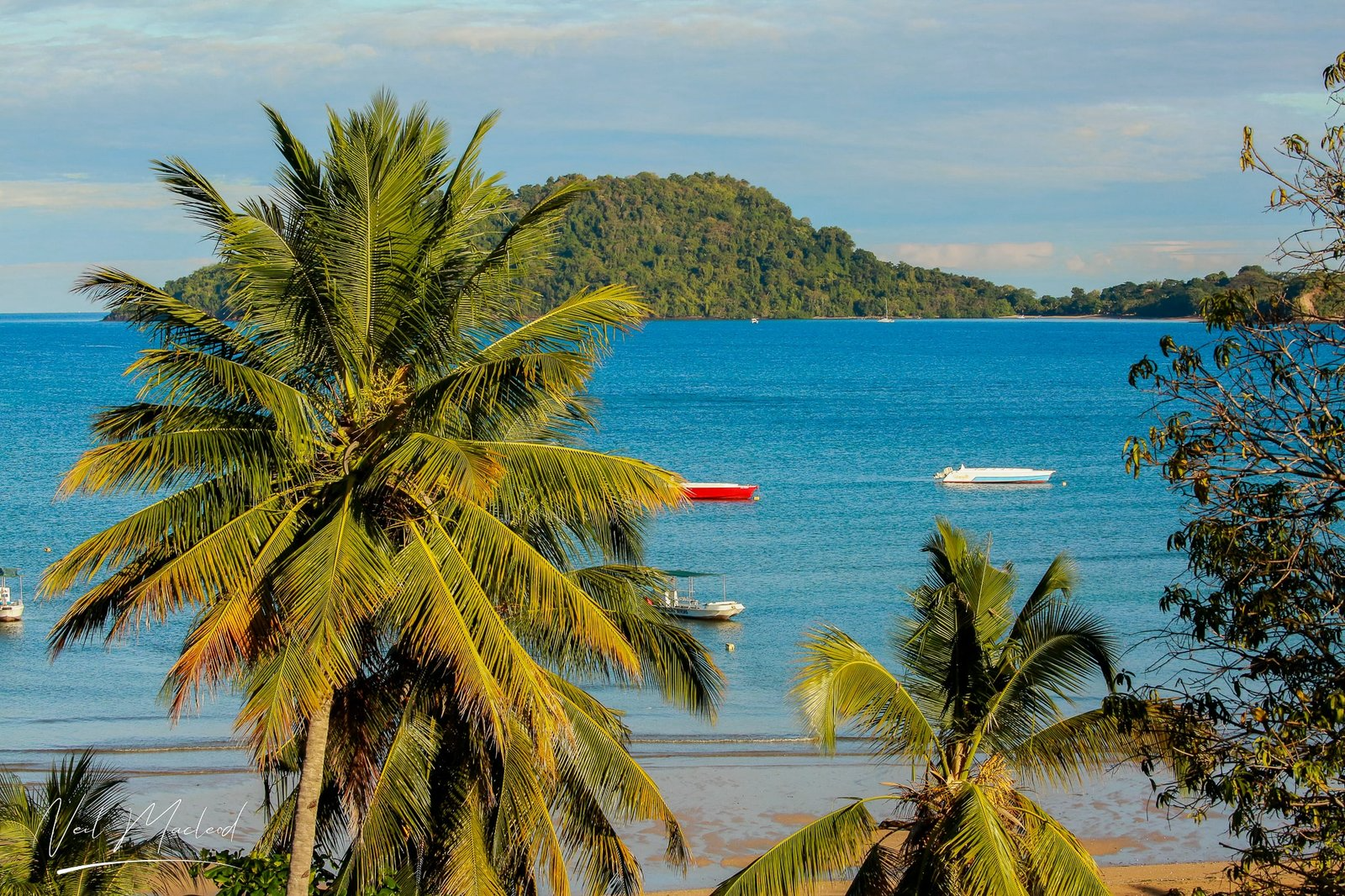
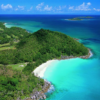
After breakfast, we transfer to Ankify where we embark on the motorboat to Nosy Be. Although Nosy Be’s beaches (and resorts) don’t look as fantasy-fulfilling as some in the Caribbean or Greece, they do win points for tranquillity, gorgeous light, sparkling clear turquoise water (void of the seaweed that plagues many Eastern African beaches) and excellent al fresco restaurants serving seafood feasts on the sand. The air is scented with ylang-ylang and vanilla and the pace of life is as slow and drawn-out as the island’s killer sunsets. The climate is sunny all year round. For the best-hued water and whitest sand head as far north as possible. With its fields of sugarcane, rum distilleries and single-gauge railway, inland Nosy Be has a faintly Caribbean atmosphere. If you can drag yourself away from the beach there are some beautiful out of-the-way corners to explore.
Accommodation: Ravintsara Wellness hotel
Meals: All meals
Included activities: Lokobe National Park excursion
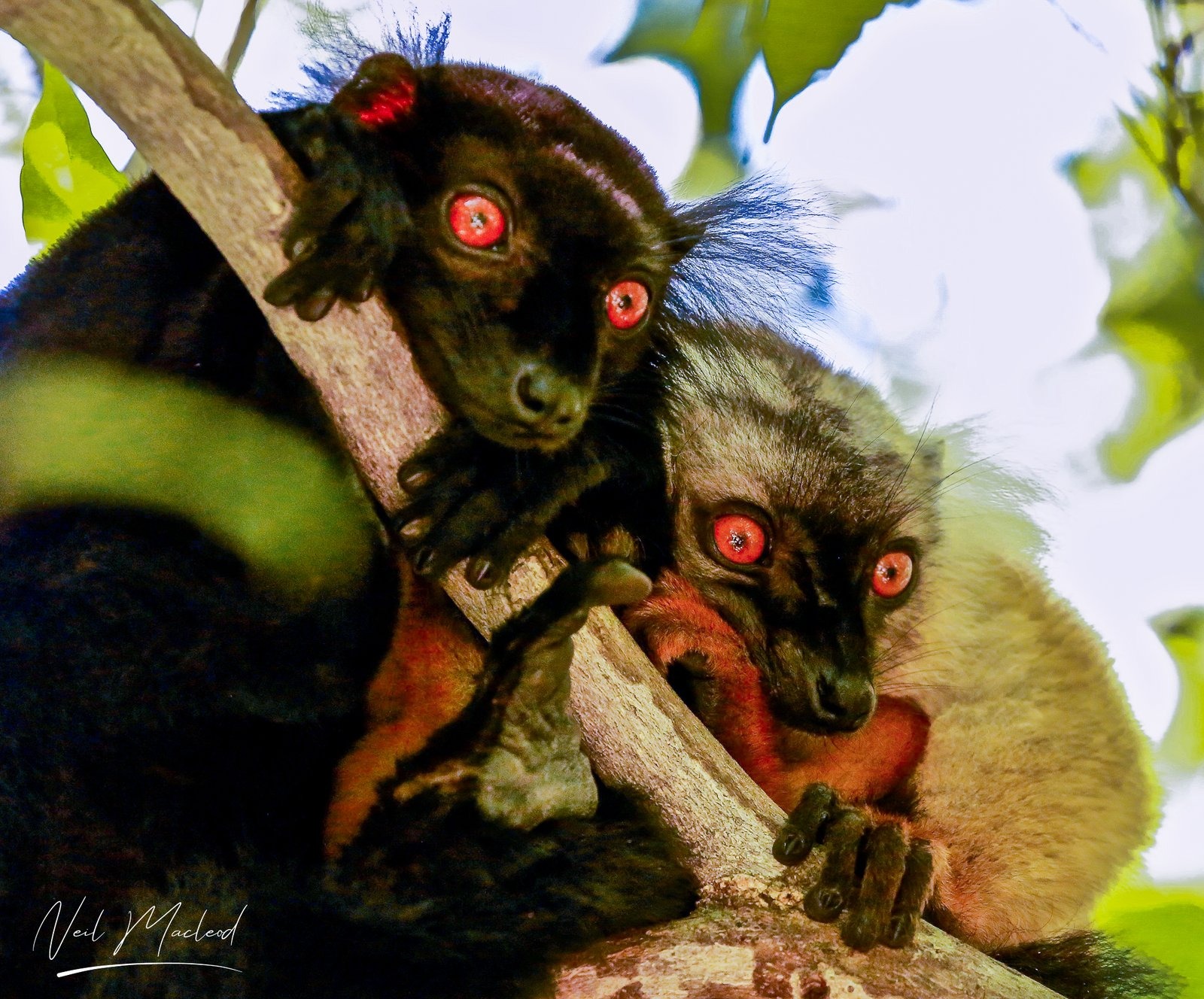
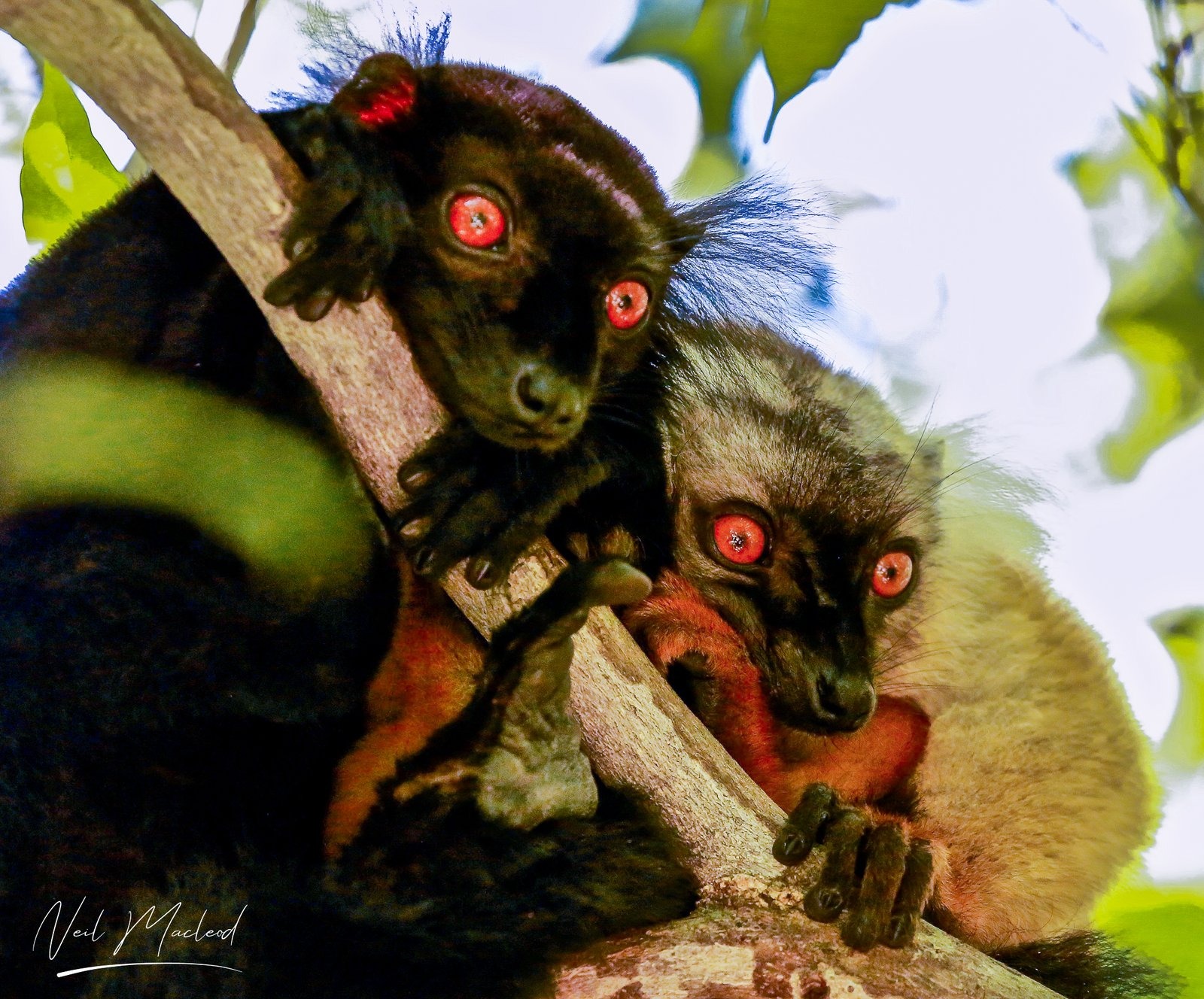
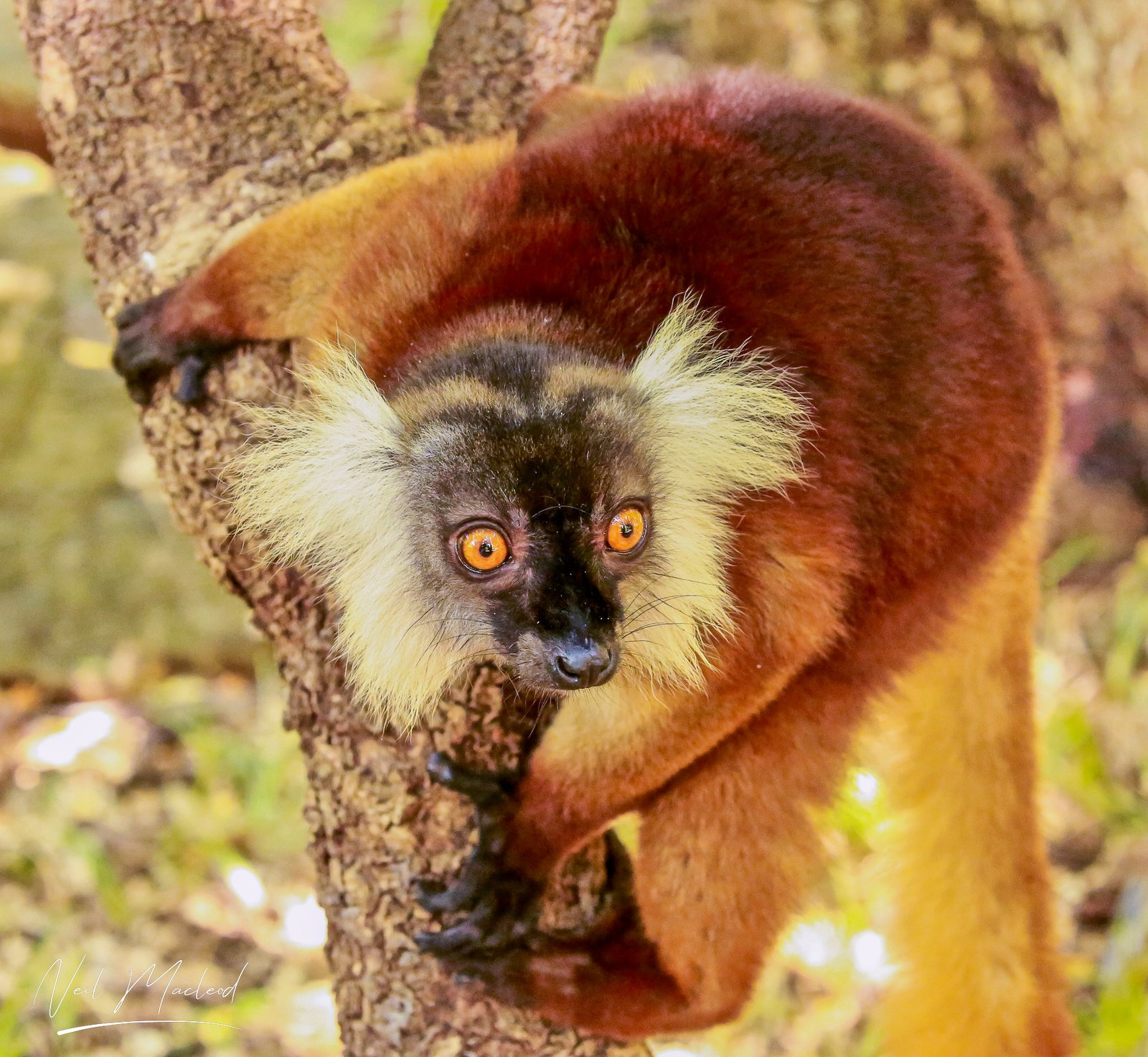
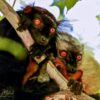
After breakfast we visit Lokobe National Park, which is located on south eastern side of Nosy Be. This park is known for its Black lemurs and the beautiful Nosy Be panther chameleon.
Birds likely to be seen: Rock Pigeon, Malagasy Turtle-Dove, Madagascar Green-Pigeon, Madagascar Blue-Pigeon, Malagasy Coucal, Madagascar Cuckoo, Madagascar Nightjar, Alpine Swift, Malagasy Palm Swift,Whimbrel, Roseate Tern, Great Crested Tern, Cattle Egret, Striated Heron, Madagascar Buzzard, Malagasy Kingfisher, Madagascar Bee-eater, Merops superciliosus, Crested drongo, Malagasy Kestrel, Madagascar Cuckooshrike, Chabert Vanga, Malagasy Paradise-Flycatcher, Pied Crow, Common Jery, Long-billed Bernieria, Malagasy Bulbul, Malagasy White-eye, Common Myna, Souimanga Sunbird, Malagasy Sunbird, Red Fody and Madagascar munia.
Accommodation: Ravintsara Wellness hotel or similar
Meals: All meals
Included activities: Visit of Nosy Komba and snorkelling at Nosy Tanikely
Today, we set out for a day cruise to Nosy Komba - island of Macaco lemurs and Nosy Tanikely - a Marine reserve where, when snorkelling, you can see various kinds of colourful fish in clear water. Today we take part in a full day cruise to Nosy Komba and Nosy Tanikely.
Accommodation: Palissandre hotel
Meals: All meals
Included activities: Scenic drive to Nosy Be Airport
Today we transfer to Nosy Be Airport for our flight to Antananarivo where we will stay the night at Palissandre Hotel.
Meals: Breakfast
Included activities: N.A
Today we are transferred to Antananarivo airport for our departure flight back home.